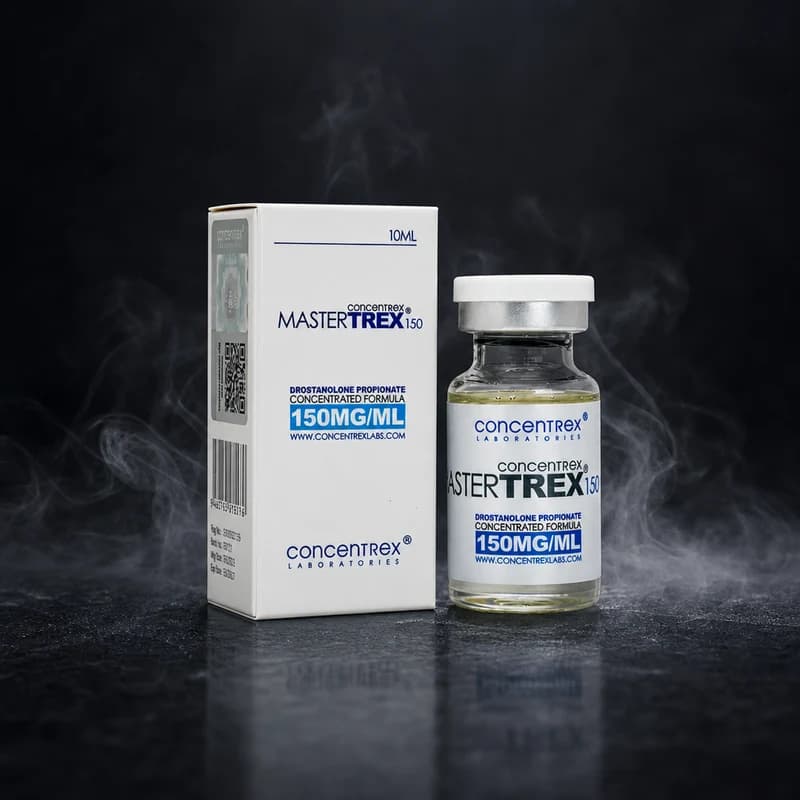
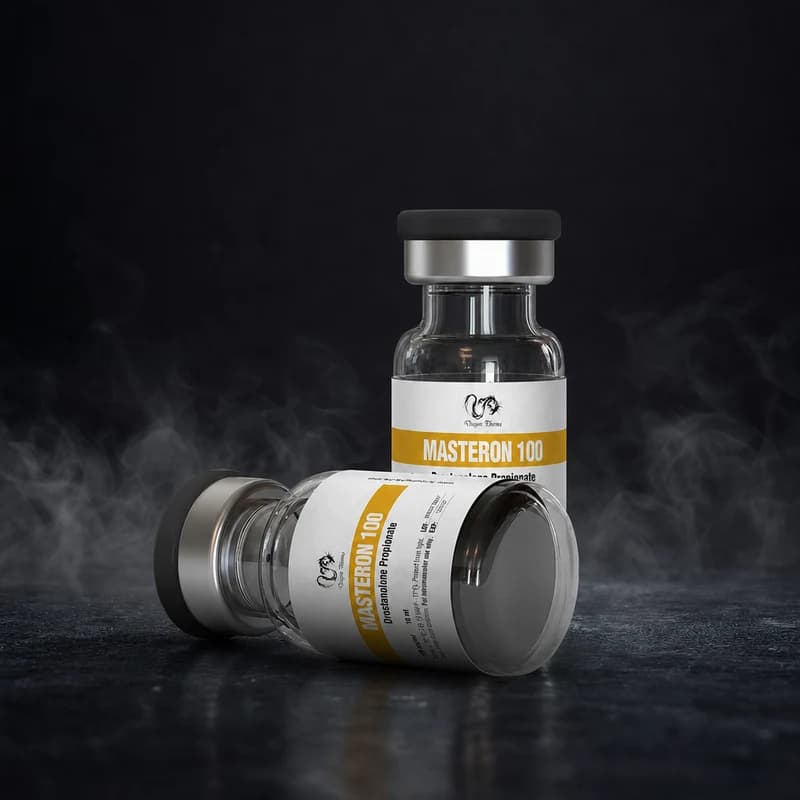
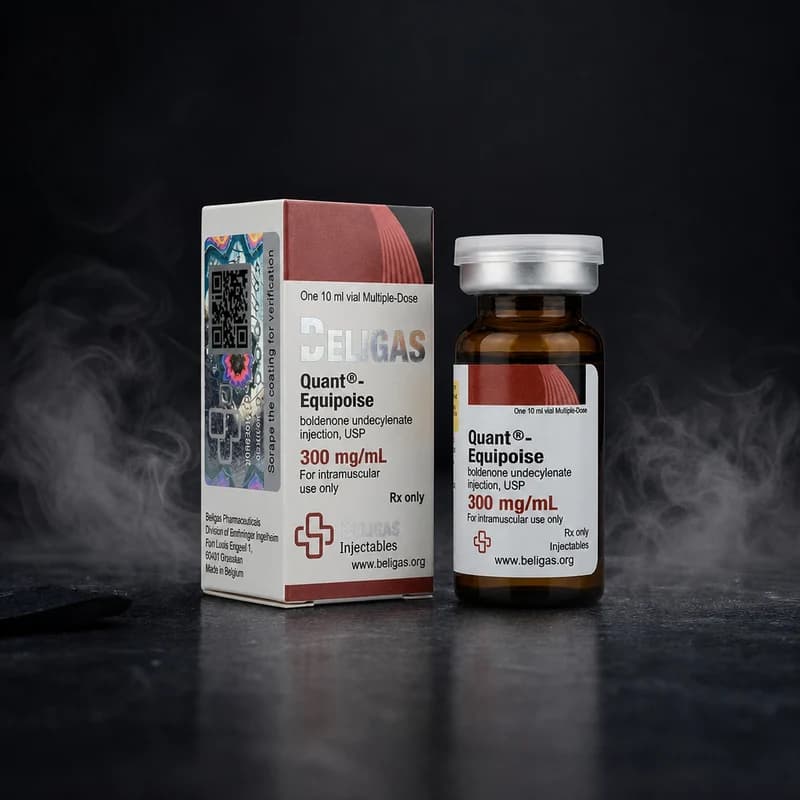
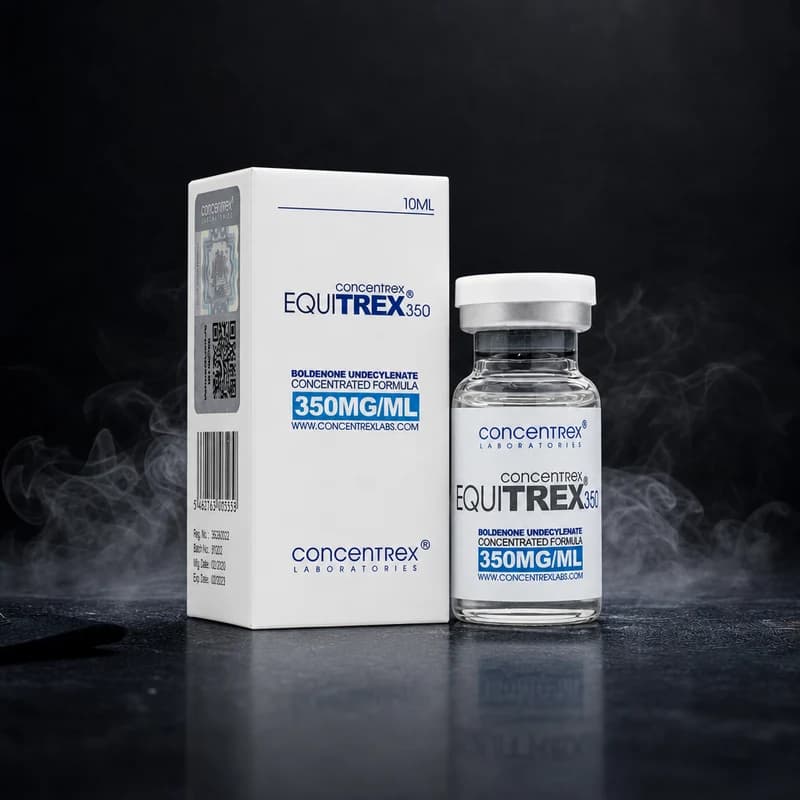
contraindications: Contraindicated in individuals with confirmed androgen-sensitive malignancy (prostate or breast carcinoma), severe hepatic impairment, or existing polycythaemia. Not approved for use in females of reproductive age due to virilisation risk. Individuals with a personal or familial history of male-pattern alopecia should note that concurrent DHT-derivative stack combinations accelerate follicular miniaturisation more aggressively than Drostanolone Propionate used in isolation.
side_effects: Androgenic side effects — sebaceous gland hyperactivity (acne), accelerated scalp hair recession in genetically predisposed individuals, and potential vocal changes — are dose- and combination-dependent. HDL cholesterol suppression is the primary cardiovascular risk signal; this is amplified when Drostanolone Propionate is co-administered with other androgens or oral 17α-alkylated agents. Haematocrit elevation can occur, particularly in stacks that include testosterone at supraphysiological doses.
monitoring: Monitor ALT, AST (liver enzymes), haematocrit, HDL/LDL lipid panel, and blood pressure at baseline, cycle midpoint, and post-cycle. When running any combination stack, track which biomarker deviation corresponds to which compound — use the dose-reduction phase protocol to isolate the causative agent rather than discontinuing all compounds simultaneously. Prolactin should be monitored if progestogenic compounds (Nandrolone, Trenbolone) are included in the stack.
pct: The propionate ester's rapid systemic clearance supports early initiation of post-cycle therapy — typically within 3–5 days of the final injection. Standard PCT protocols (selective oestrogen receptor modulators such as Tamoxifen or Clomiphene) are appropriate; the choice of PCT agent should account for whether aromatising co-compounds were included in the stack, as Drostanolone Propionate itself does not elevate oestrogen and does not independently necessitate aromatase inhibitor inclusion during PCT.

 Optimal Dosage