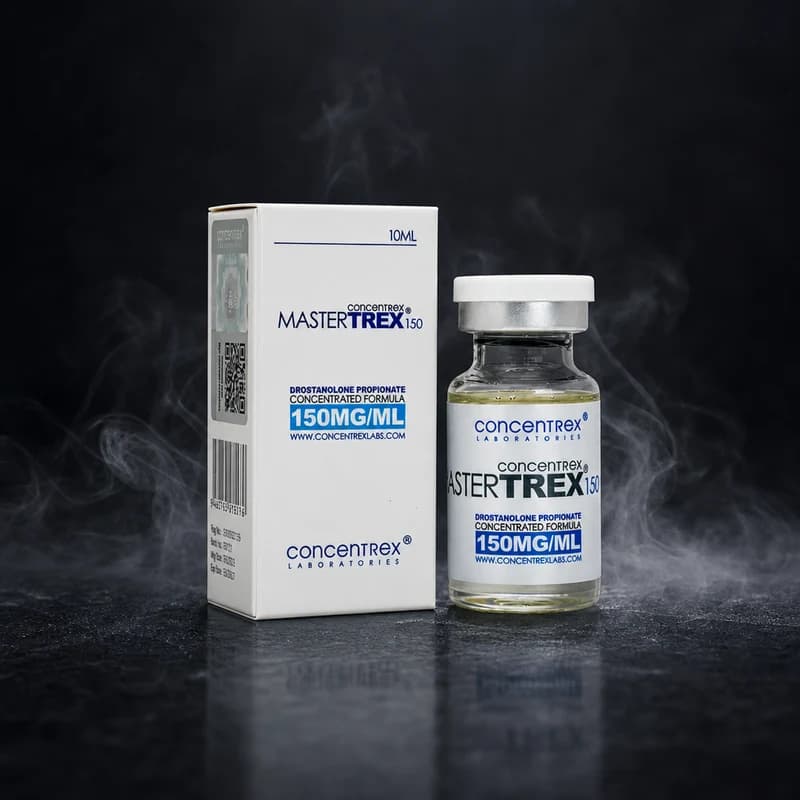
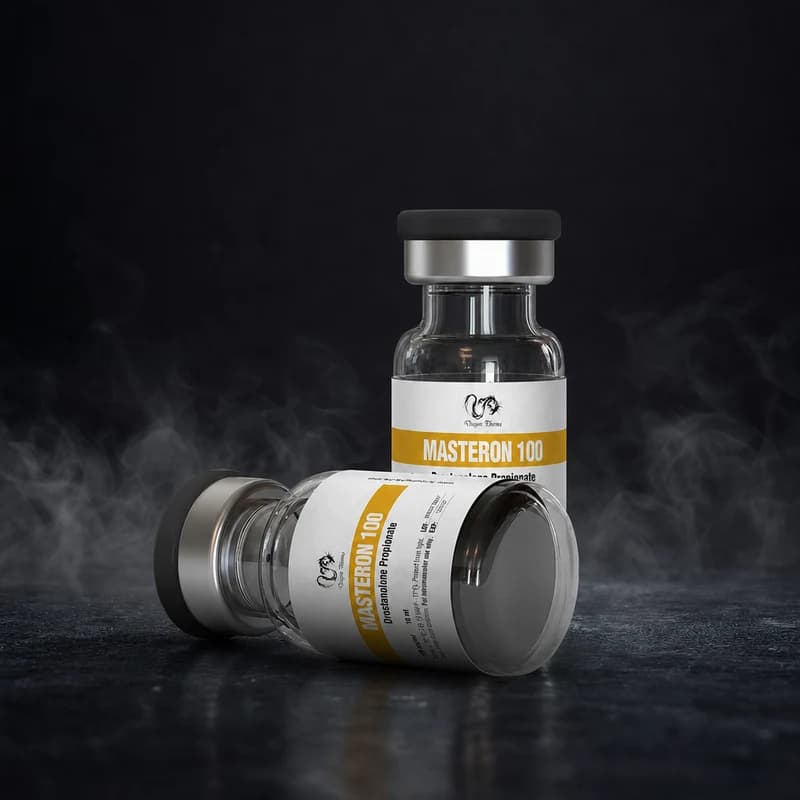
Contraindications: Contraindicated in individuals with diagnosed prostate carcinoma or breast carcinoma — both are androgen receptor-positive malignancies that drostanolone's direct AR agonism could accelerate.
Not for use by females of reproductive age unless under specialist supervision; the compound's AR affinity produces pronounced virilising effects including clitoral enlargement and permanent voice deepening.
Contraindicated in those with severe hepatic impairment, polycythaemia, or uncontrolled hypercalcaemia.
Side Effects: Androgenic effects (acne, accelerated scalp hair recession in genetically predisposed individuals, body hair proliferation) arise directly from AR activation in skin and hair follicle tissue.
Endogenous testosterone suppression occurs via hypothalamic AR signalling; degree is dose- and duration-dependent.
Elevated haematocrit (erythropoietic AR stimulation) increases blood viscosity — monitor full blood count during extended cycles.
Injection site discomfort or oil-related nodule formation is possible; rotate sites systematically.
Monitoring: Serum testosterone (total and free), LH, FSH at baseline and mid-cycle to track HPG axis suppression extent.
Haematocrit and haemoglobin every 6–8 weeks; values above 52% (males) warrant dose reduction or phlebotomy.
PSA measurement recommended for males over 40 prior to and during cycle.
Lipid panel (LDL/HDL ratio) — AR activation in hepatic tissue influences VLDL synthesis and HDL catabolism.
PCT: Initiate post-cycle therapy 3–5 days after the final injection, consistent with the propionate ester's short activity duration.
Standard PCT employs a SERM (selective oestrogen receptor modulator such as tamoxifen or clomiphene) to restore pituitary gonadotropin output suppressed by AR-mediated negative feedback.
Duration of PCT typically 4 weeks; extend to 6 weeks if mid-cycle monitoring revealed significant LH/FSH suppression.

 Optimal Dosage