Drostanolone Enanthate: Androgen Receptor Binding as the Core Mechanism
Drostanolone Enanthate is a 2α-methyl derivative of dihydrotestosterone esterified with enanthic acid, a structural configuration that delivers androgenic activity exclusively through direct androgen receptor (AR) occupancy rather than through the oestrogen receptor or progestogenic pathways. This mechanistic specificity sets it apart from testosterone and 19-nor compounds, which interact with multiple steroid receptor classes. The 2α-methyl substitution on the DHT scaffold is not cosmetic — it sterically hinders the enzyme 3α-hydroxysteroid dehydrogenase from reducing drostanolone to an inactive 3α-diol metabolite, preserving receptor-active compound in target tissues.
Androgen Receptor Affinity: Quantified and Contextualised
Drostanolone's relative binding affinity (RBA) for the androgen receptor has been measured at approximately 3.0–3.5 times that of testosterone in in-vitro competitive binding assays (reference ligand: methyltrienolone/R1881). This figure reflects the combined effect of DHT's inherent AR selectivity and the protection from 3α-reduction that the 2α-methyl group provides. Compared to unmodified DHT, which is rapidly inactivated in muscle tissue by 3α-HSD, drostanolone sustains meaningful receptor occupancy — meaning its androgenic signal is more durable at the tissue level despite a structurally similar parent nucleus.
Receptor Selectivity and the Absence of Aromatisation
Because drostanolone is derived from DHT rather than testosterone, it lacks the C19 configuration and A-ring structure that aromatase requires for oestrogen conversion. Hilma Biocare's Drostanolone Enanthate therefore does not contribute to circulating oestradiol load — a receptor-level fact with direct implications for water retention and oestrogen-driven feedback suppression. The androgen-receptor-mediated pathway handles all measurable anabolic and androgenic output: AR activation drives nitrogen retention, myofibrillar protein synthesis, and erythropoietic signalling through transcriptional upregulation of androgen-response elements (AREs).
Pharmacological Integrity: From Raw API to Final Vial
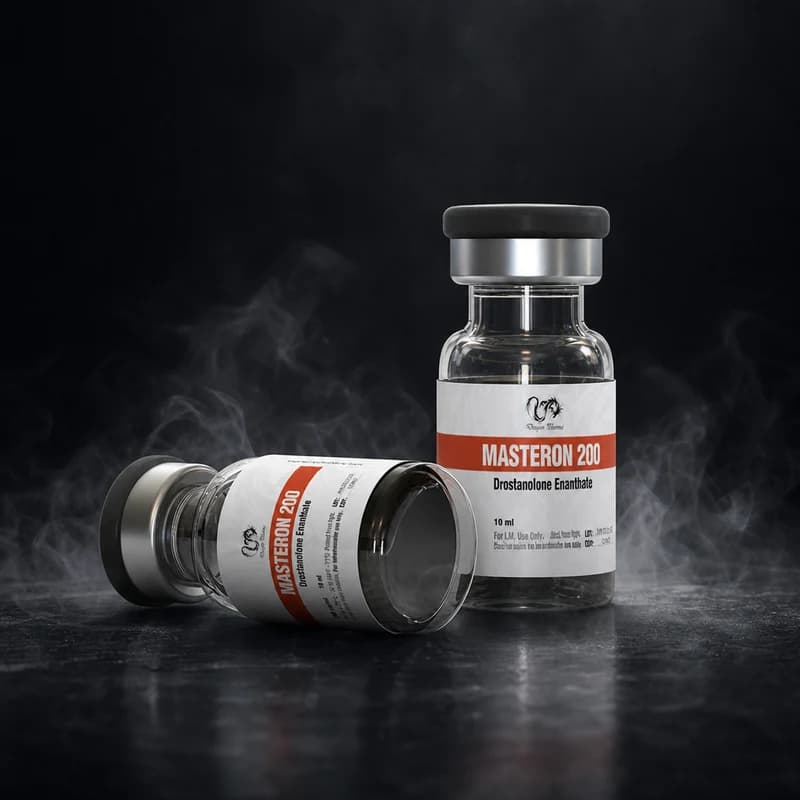
Hilma Biocare validates the receptor-relevant concentration of this product — the stated 200mg/ml — through HPLC analysis at the finished-product stage, cross-referenced against an incoming API potency certificate for the drostanolone enanthate raw material. LAL endotoxin testing is applied to the injectable solution prior to vial filling, establishing a pyrogen-control checkpoint that is specific to this formulation rather than shared across an oil-based injectable template. Every quantitative claim on the label corresponds to an analytically generated data point in the batch record.

 High Concentration