Contraindications: Drostan-E is contraindicated in individuals with androgen-sensitive malignancy (including prostate and male breast carcinoma), active cardiovascular disease, or documented hypersensitivity to drostanolone or any component of the oil-based carrier. Women who are pregnant or may become pregnant must not use this product. Individuals under 21 years of age should not administer anabolic-androgenic steroids.
Side Effects: Androgenic adverse effects include accelerated androgenetic alopecia in genetically predisposed users, acne vulgaris, and increased sebaceous gland activity. Drostanolone does not aromatise, eliminating oestrogen-mediated side effects such as gynaecomastia; however, it may suppress endogenous testosterone synthesis in a dose- and duration-dependent manner. Lipid profile disruption — specifically suppression of HDL cholesterol — is a documented cardiovascular risk requiring monitoring, particularly during cycles extending beyond 10 weeks.
Monitoring: Baseline and on-cycle blood work should include total testosterone, LH, FSH, haematocrit, and a lipid panel (HDL/LDL ratio). Liver enzyme panels (ALT/AST) are advisable, though drostanolone is not 17-alpha-alkylated and hepatotoxicity risk is substantially lower than with oral androgens. Blood pressure monitoring is recommended throughout the cycle.
PCT: Because the enanthate ester takes approximately 14 days to clear after the final injection — compared to 4–5 days for propionate — post-cycle therapy (PCT) initiation should be delayed accordingly. Standard PCT protocols employing selective oestrogen receptor modulators (SERMs such as tamoxifen or clomiphene) should begin only after the ester clearance window has elapsed to avoid pharmacokinetic interference with endogenous axis recovery.
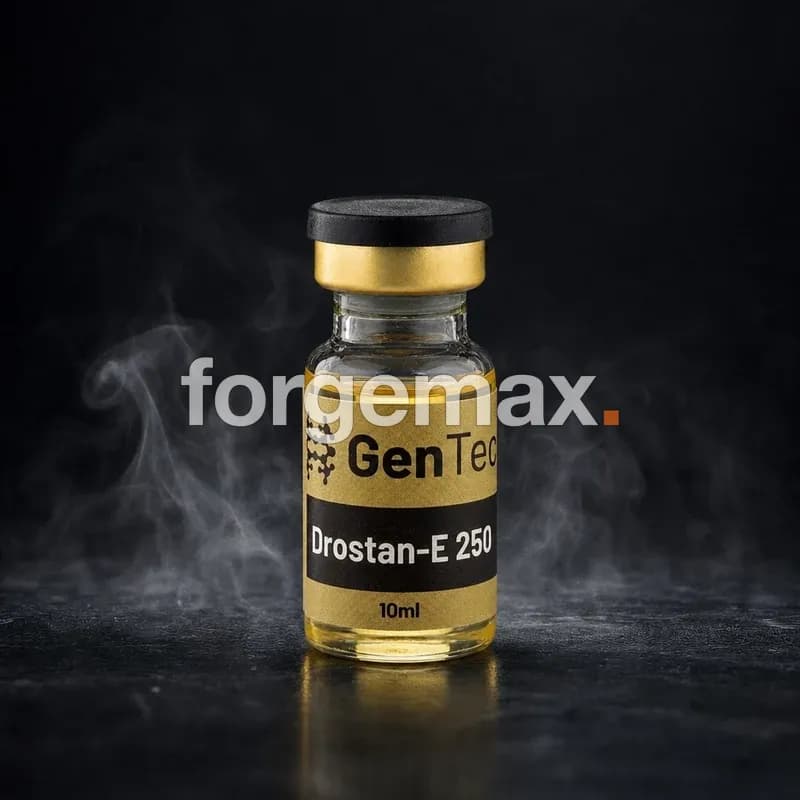
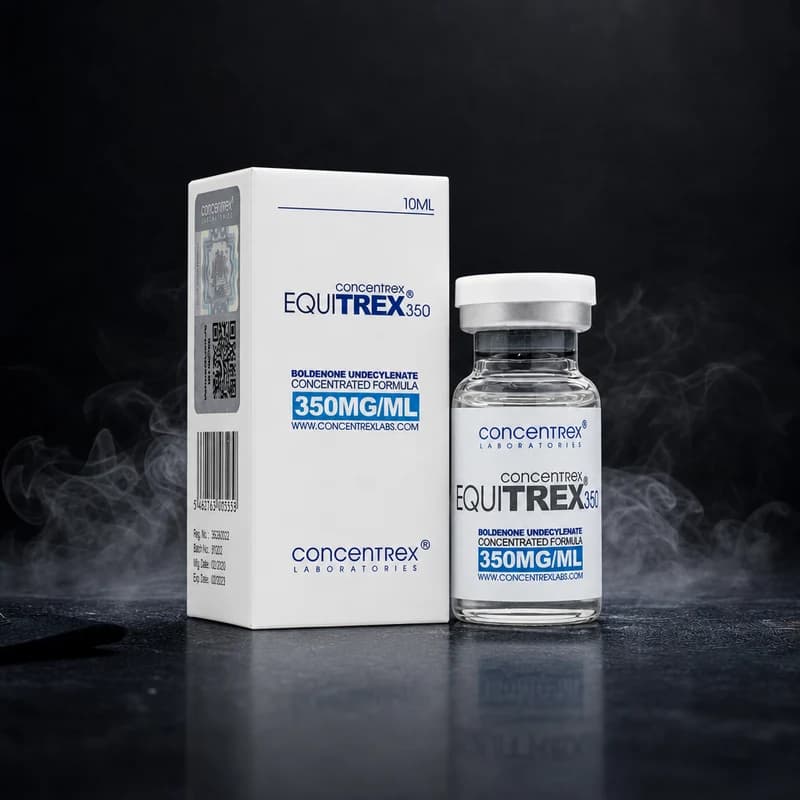
 High Concentration