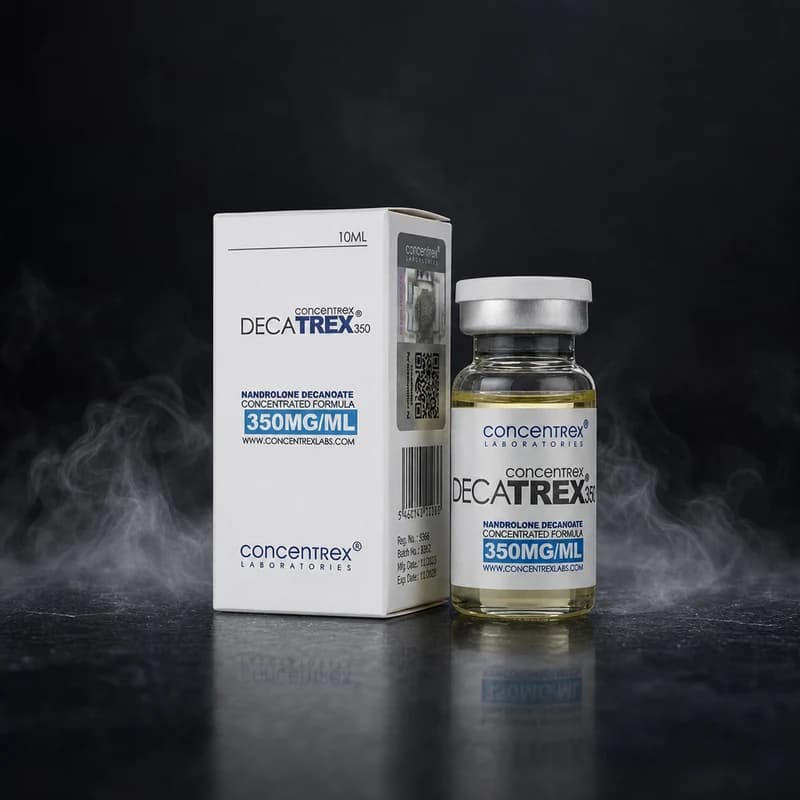
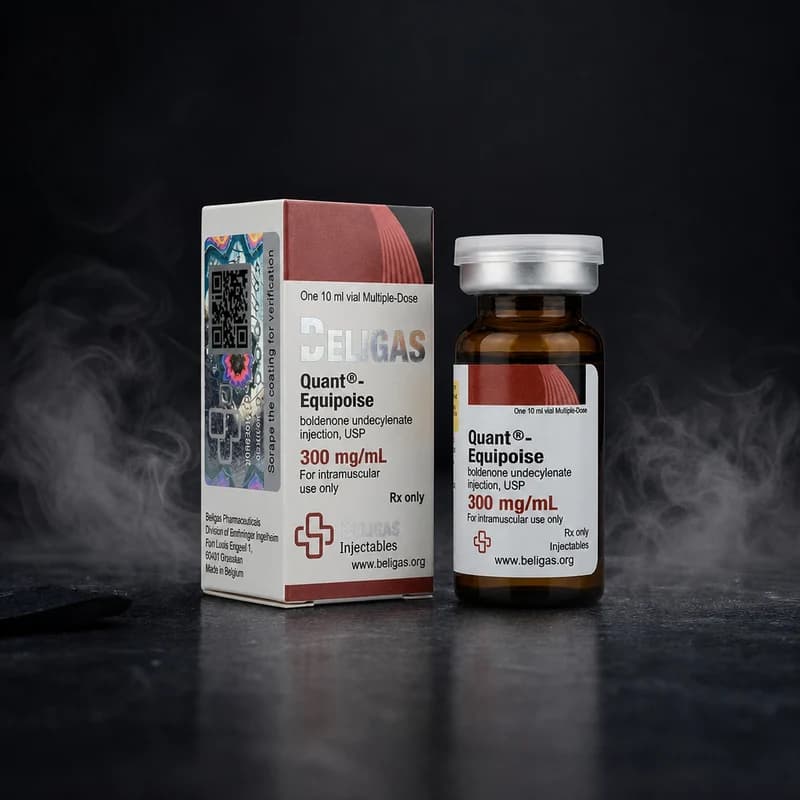
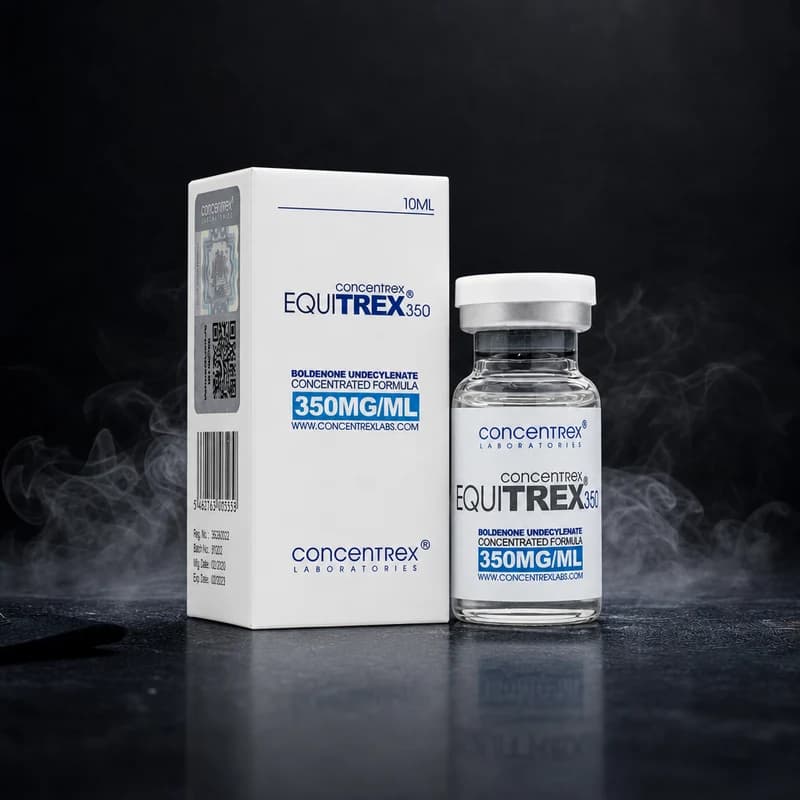
Contraindications: Decan 300 is contraindicated in individuals with androgen-sensitive prostate or breast pathology, existing hyperprolactinaemia, severe hepatic impairment, or uncontrolled cardiovascular disease. Women of childbearing potential should not use Nandrolone Decanoate due to virilisation risk. Concurrent peptide use does not reduce these contraindications.
Side Effects: 19-nor androgens including Nandrolone Decanoate carry dose-correlated risk of prolactin elevation — cabergoline at 0.25 mg twice weekly is frequently used prophylactically when GHRP compounds, which also modestly influence prolactin via ghrelin-receptor activity, are co-administered. Haematocrit rise, HDL suppression, androgenic alopecia in predisposed individuals, and injection-site discomfort are additional reported effects.
Monitoring: Baseline and on-cycle bloodwork should include serum prolactin, LH, FSH, total and free testosterone, haematocrit, liver enzymes, lipid panel, and PSA (in males over 35). When stacking with GH secretagogues, fasting glucose and IGF-1 measurements every four to six weeks are advisable given combined GH-axis activation. HPLC-verified batch documentation for Decan 300 confirms label-claim potency and supports accurate dose-response tracking.
PCT: Nandrolone Decanoate suppresses the hypothalamic-pituitary axis; full clearance following a 300 mg/week protocol takes approximately three to four weeks post-final injection based on established pharmacokinetic modelling. PCT using a SERM (clomiphene or tamoxifen) should not begin until plasma androgen levels have declined sufficiently. Peptide protocols — particularly GHRH/GHRP compounds — may be continued through PCT without interfering with SERM-mediated LH/FSH recovery.

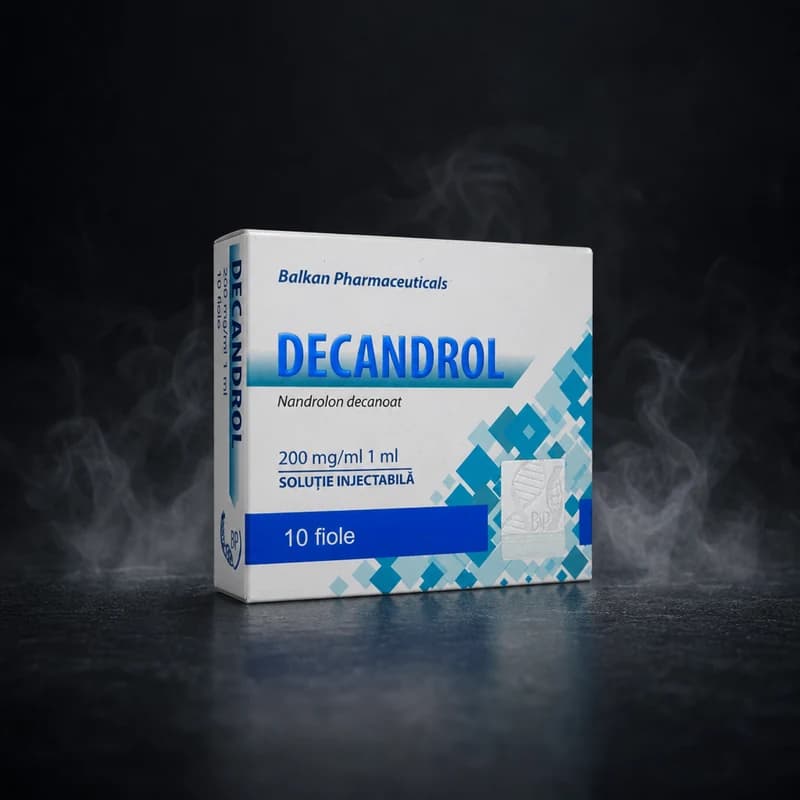 Established Brand