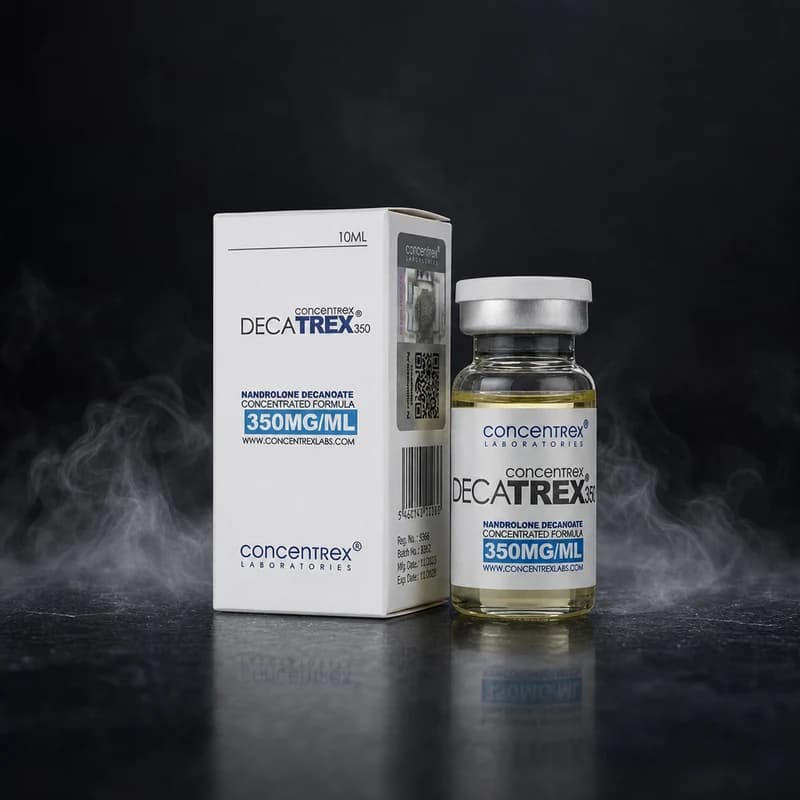
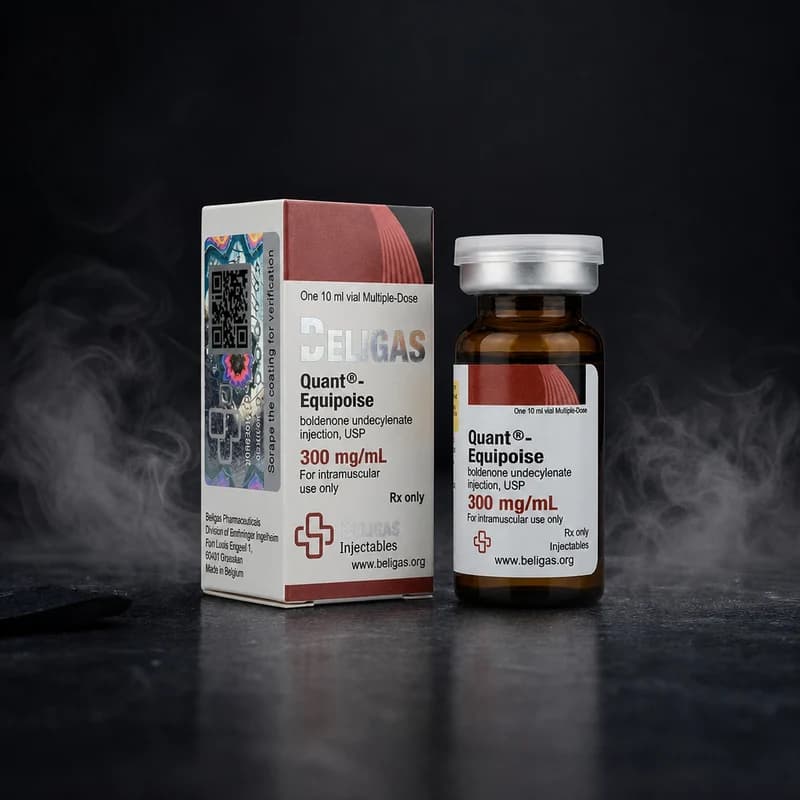
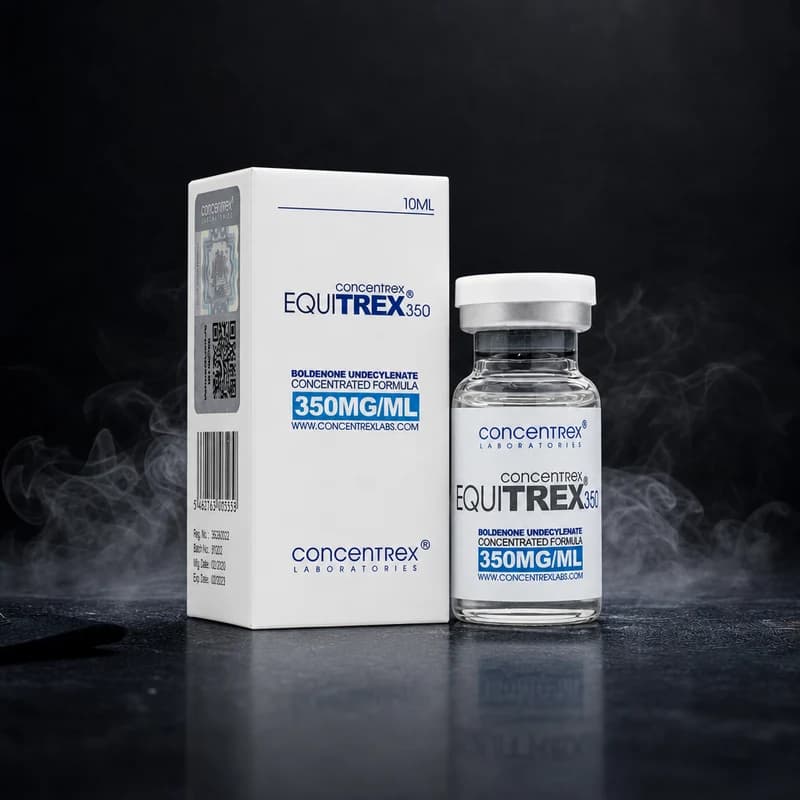
Contraindications: Not for use in individuals with prostate or breast carcinoma, severe hepatic impairment, hypercalcaemia, or known hypersensitivity to Nandrolone or sesame/arachis oil excipients. Contraindicated in women who are pregnant or planning pregnancy. Paediatric use is contraindicated due to risk of premature epiphyseal closure confirmed by bone-age radiography.
Side_Effects: Endogenous testosterone suppression is expected and requires planned post-cycle management. Prolactin elevation is associated with 19-nor androgens — monitor serum prolactin bi-monthly when combining with HGH, as GH itself may modestly influence prolactin regulation. Additional risks include haematocrit elevation (verify via full blood count), HDL cholesterol reduction, and potential fluid retention at higher weekly doses. Injection-site reactions are minimised by the single-dose ampoule format but rotating sites remains standard practice.
Monitoring: Obtain serum IGF-1, prolactin, LH, FSH, total testosterone, haematocrit, AST/ALT, and lipid panel at baseline, Week 8, and Week 14. DEXA body-composition assessment at cycle midpoint and conclusion provides objective lean-tissue tracking. Glucose tolerance should be evaluated in pre-diabetic individuals given the intersecting metabolic effects of HGH on insulin sensitivity.
PCT: Initiate post-cycle therapy no sooner than three weeks after the final Nandrolone Decanoate injection to allow plasma levels to decline sufficiently. Standard SERM-based PCT (e.g. Nolvadex/Clomid) for a minimum of four weeks. If cabergoline was used mid-cycle for prolactin management, taper it two weeks before ending HGH rather than stopping abruptly. Confirm HPTA recovery via LH/FSH and total testosterone bloodwork six weeks into PCT before considering any subsequent cycle.

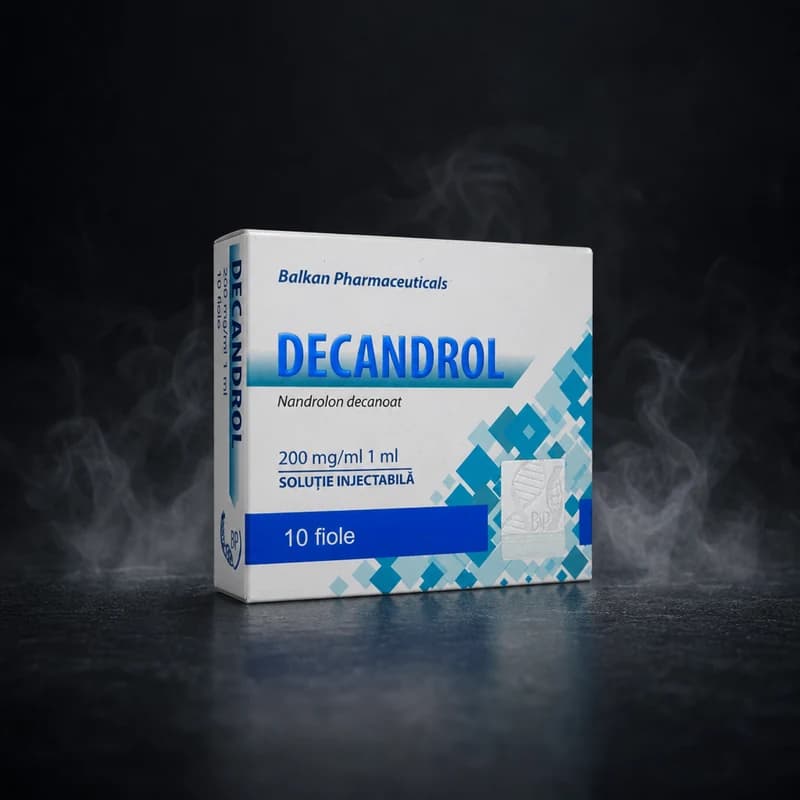 Established Brand