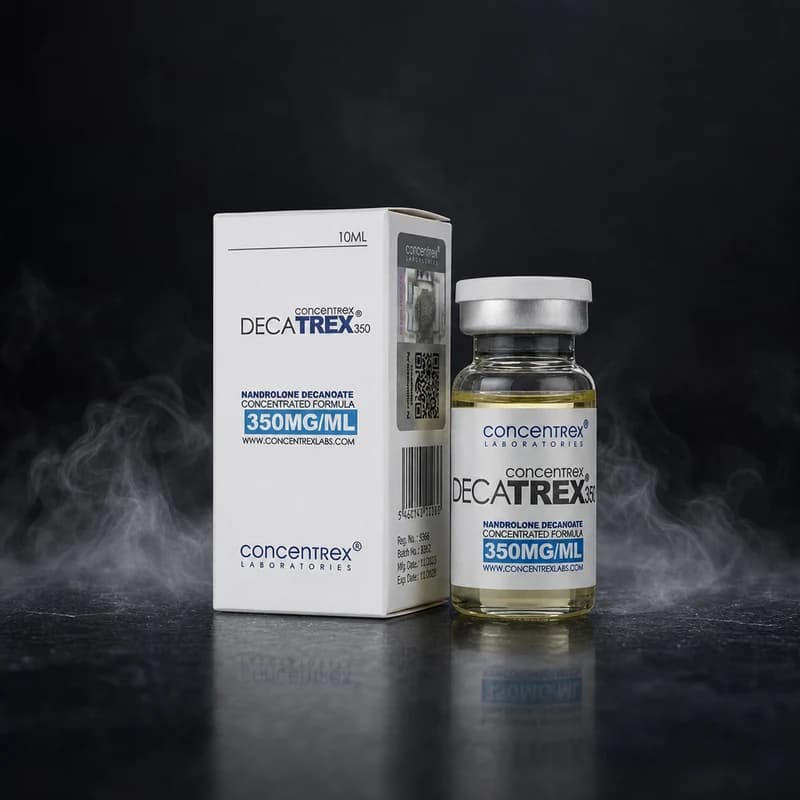
Contraindications: Deca 300 is contraindicated in individuals with known hypersensitivity to Nandrolone Decanoate or to any sesame- or arachis-oil excipient used in the formulation. It must not be used by women who are pregnant or may become pregnant, by individuals with active or suspected androgen-sensitive malignancies, or by those with severe hepatic impairment. Adolescents with open epiphyseal growth plates should not use this compound under any circumstances.
Side Effects: Androgenic effects include accelerated scalp hair recession in genetically predisposed individuals, acne, and — in women — virilisation. Cardiovascular effects encompass adverse changes to LDL/HDL lipid ratios and potential left ventricular hypertrophy with prolonged supraphysiological use. Nandrolone's status as a 19-nor compound means prolactin elevation is possible, particularly at higher doses; cabergoline may be required. HPTA suppression is significant and expected; endogenous testosterone production will be substantially reduced during and after the cycle.
Monitoring: Baseline and on-cycle bloodwork should include serum testosterone (total and free), LH, FSH, prolactin, estradiol, full lipid panel, haematocrit, haemoglobin, and hepatic function markers. Prolactin should be checked at four-week intervals given 19-nor compound use. Blood pressure should be self-monitored bi-weekly. A follow-up DEXA or body-composition assessment can help distinguish lean-tissue accrual from fluid retention when evaluating the frontloading protocol's early-cycle response.
PCT: Post-cycle therapy is mandatory following any Nandrolone Decanoate cycle. Because the decanoate ester clears over an extended window after the final injection, PCT initiation should be timed to bloodwork confirmation of declining androgen levels rather than a fixed calendar interval. Standard SERM-based protocols (Nolvadex and/or Clomid) are used; dosing duration and intensity should be guided by LH and FSH recovery data rather than a fixed arbitrary schedule.

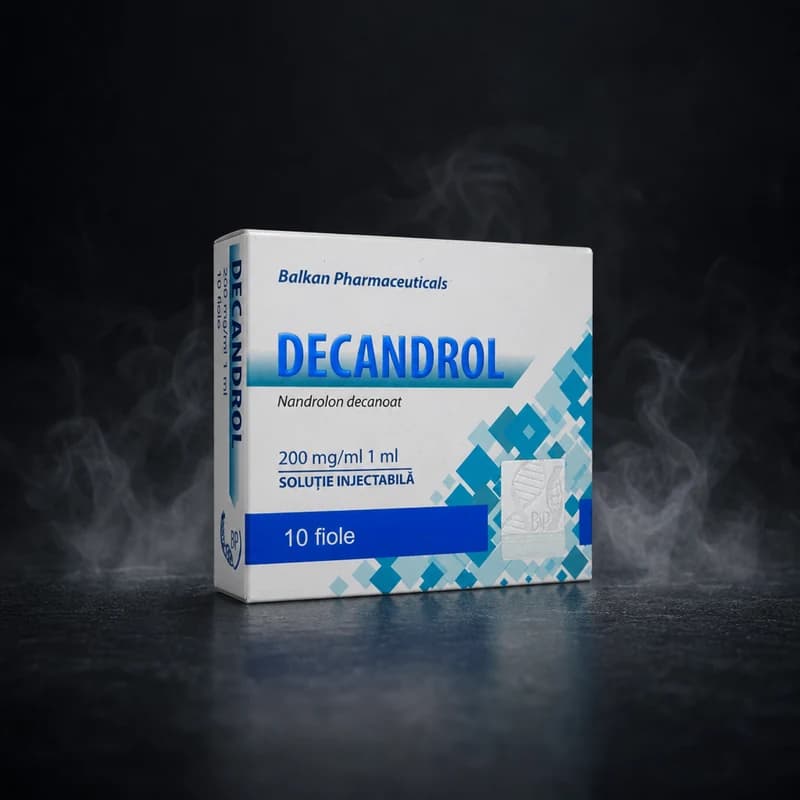 Established Brand