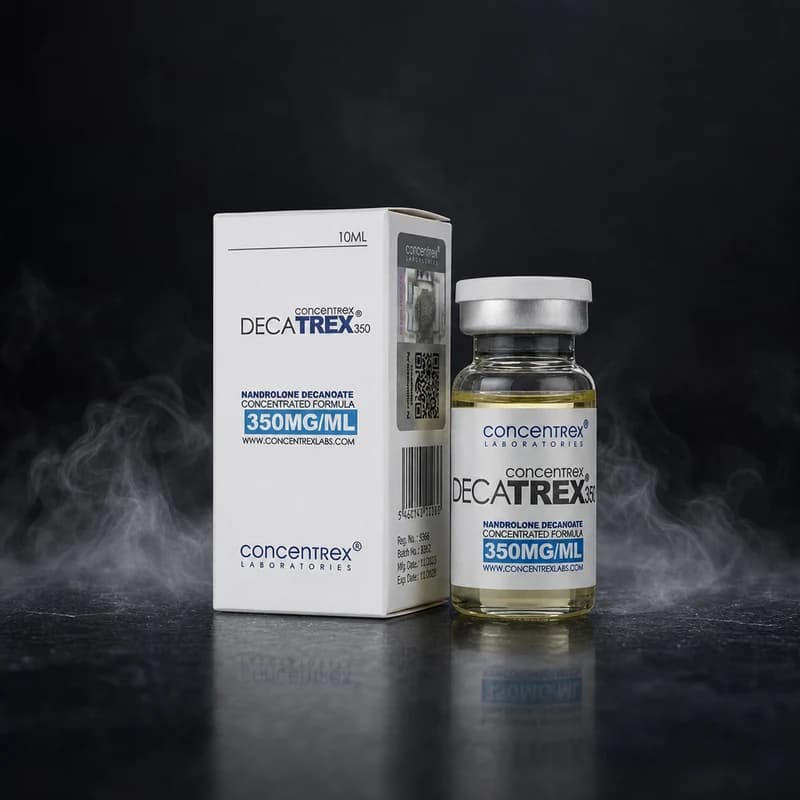
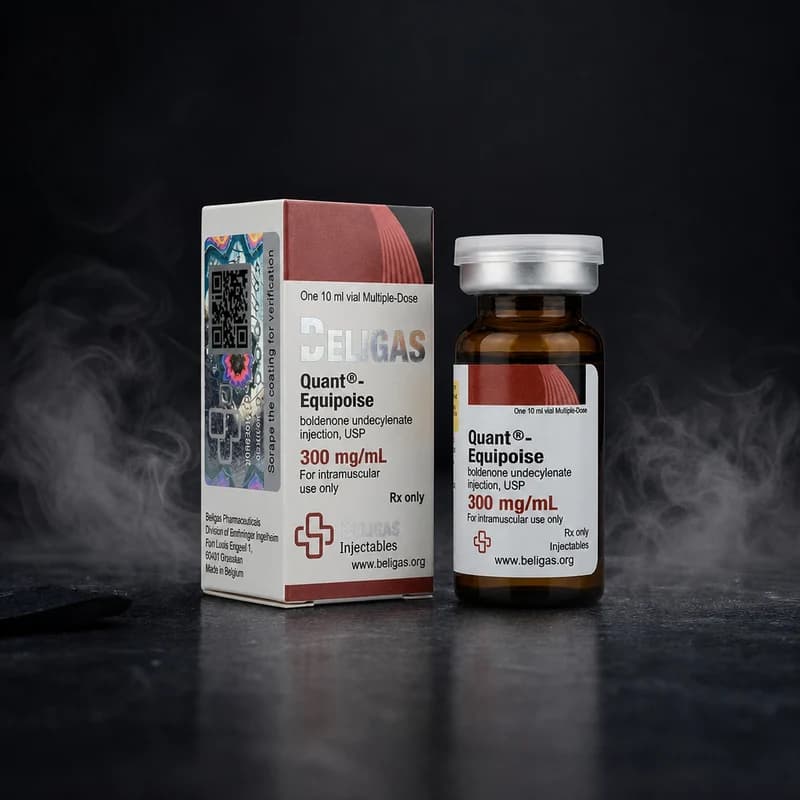
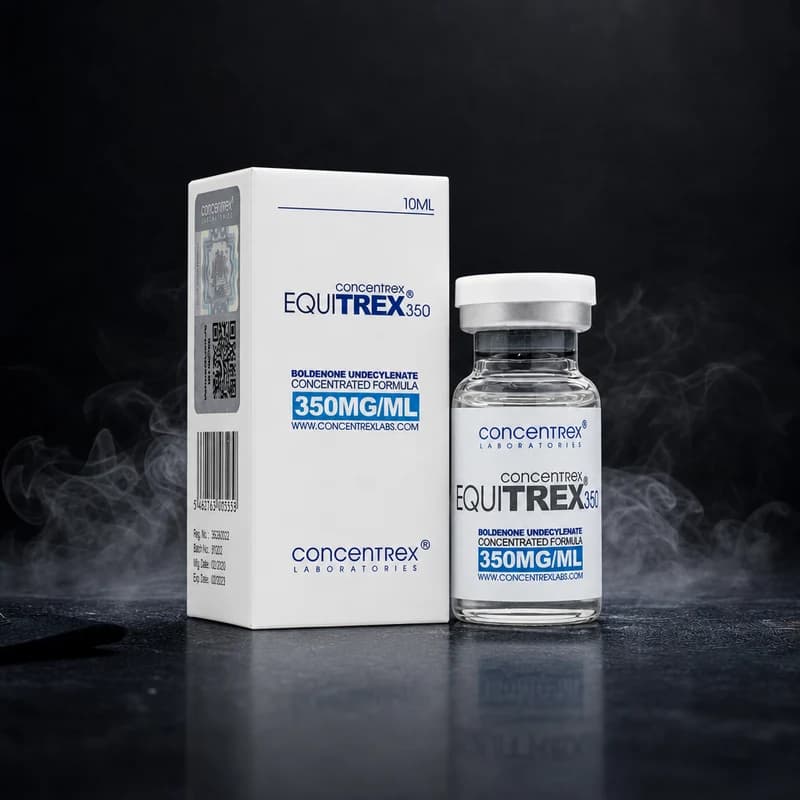
Contraindications: Nandrolone Decanoate is contraindicated in individuals with androgen-sensitive malignancies (prostate or breast carcinoma), active hepatic impairment, nephrotic syndrome, pregnancy, or confirmed hypersensitivity to any component of the oil-based vehicle (typically sesame or arachis oil). Women of childbearing potential should not use this compound due to virilisation risk to the foetus.
Side Effects: Potential adverse effects include dose-dependent suppression of endogenous testosterone production, elevated serum prolactin (characteristic of 19-nor androgens), fluid retention, erectile dysfunction at inadequately supported testosterone levels, potential acceleration of androgenic alopecia in genetically predisposed individuals, and injection-site reactions including localised pain, induration, or oil embolism risk if intravenous injection occurs accidentally.
Monitoring: Serum testosterone (total and free), LH, FSH, prolactin, haematocrit, lipid panel (HDL/LDL ratio), and hepatic transaminases should be assessed at baseline and at 6–8 week intervals during active use. Prolactin management with a dopamine agonist (cabergoline) should be considered if serum prolactin rises above the upper reference limit. Cardiovascular markers — particularly left ventricular function in long-cycle users — warrant periodic echocardiographic assessment.
PCT: Because Nandrolone Decanoate's depot continues releasing active hormone for several weeks post-injection, post-cycle therapy should not commence immediately after the last injection. A waiting period calibrated to allow plasma nandrolone to fall toward baseline — typically 3–4 weeks for standard decanoate dosing protocols — precedes initiation of SERM-based PCT (e.g. tamoxifen 20 mg/day for 4–6 weeks or clomiphene 50/50/25/25 mg). Bloodwork at PCT commencement guides dosing adjustments.

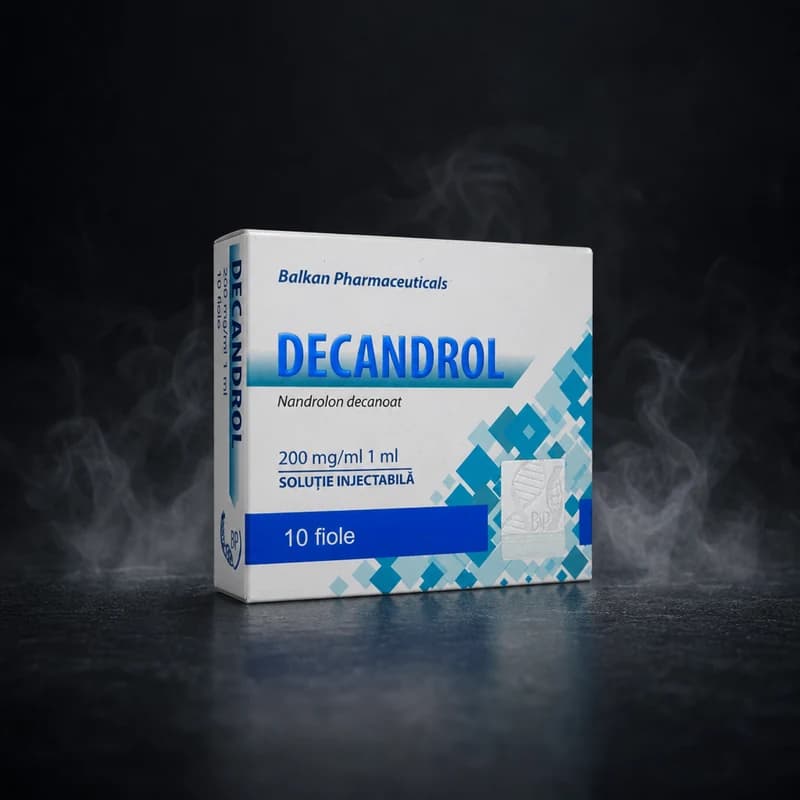 Established Brand