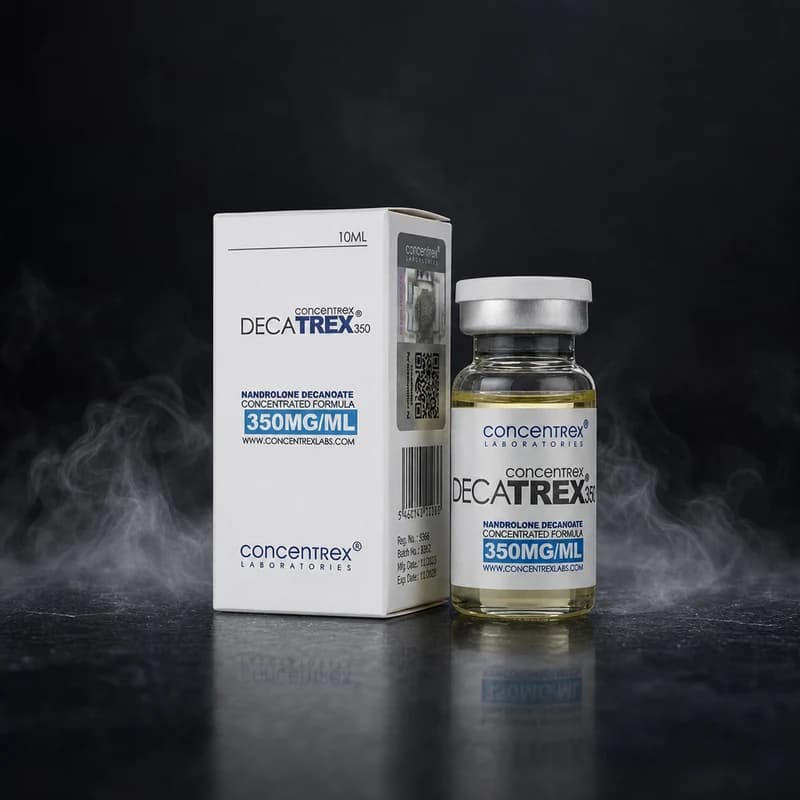
Contraindications: Not for use in individuals with known hypersensitivity to Nandrolone Decanoate or any oil-based excipient in the formulation. Contraindicated in women who are pregnant or may become pregnant, in patients with androgen-dependent tumours, and in those with untreated hypercalcaemia. Individuals with severe hepatic impairment should not use injectable androgens without specialist supervision.
Side Effects: Nandrolone Decanoate suppresses endogenous testosterone production during use; co-administration of exogenous testosterone is standard practice to maintain androgenic baseline. Prolactin elevation is associated with 19-nor compounds — monitor serum prolactin at 6-week intervals during extended cycles. Haematocrit rise, HDL reduction, and LDL increase have been documented in published androgen-use literature; lipid and haematological panels should be tracked. Injection-site reactions including transient swelling or soreness may occur if oil temperature is below 18 °C at the time of injection.
Monitoring: Obtain a baseline blood panel including total testosterone, LH, FSH, prolactin, oestradiol, haematocrit, and a full lipid profile before the first injection. Repeat at weeks 6 and 12 of the cycle. Blood pressure should be self-monitored weekly. Any persistent change in libido, mood, or sleep quality warrants an early panel draw.
PCT: Because the decanoate ester produces a prolonged clearance trajectory, initiate post-cycle therapy no earlier than 14–21 days after the final injection to allow plasma nandrolone levels to decline sufficiently before SERM administration begins. A dopamine agonist such as cabergoline may be warranted if prolactin remains elevated at PCT entry as confirmed by blood panel — do not initiate cabergoline empirically without measured prolactin data.

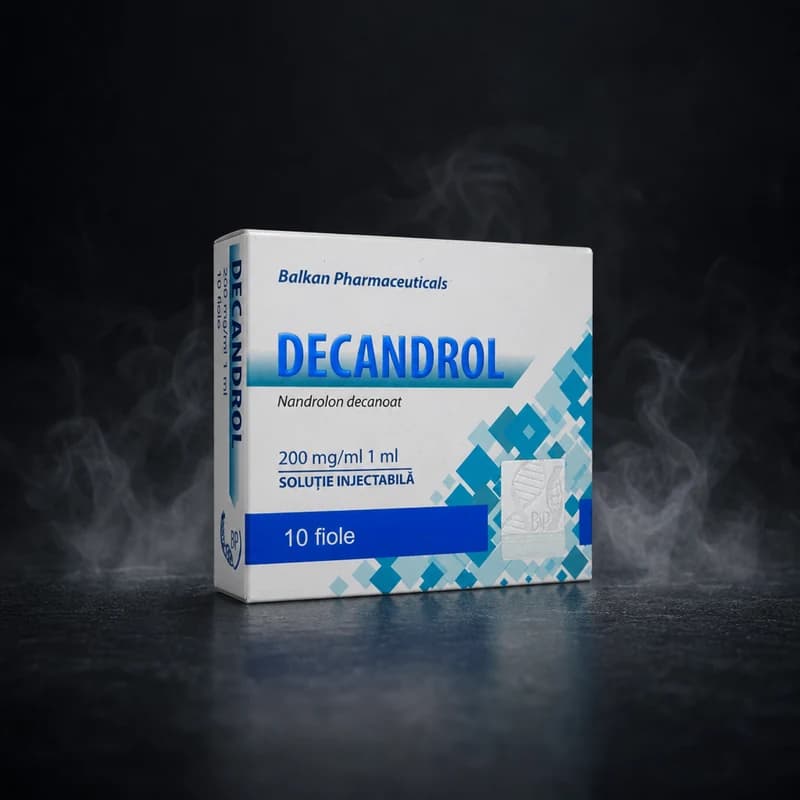 Established Brand