What Is CloTrex and Why Does It Fit Mild-Cycle Recovery?
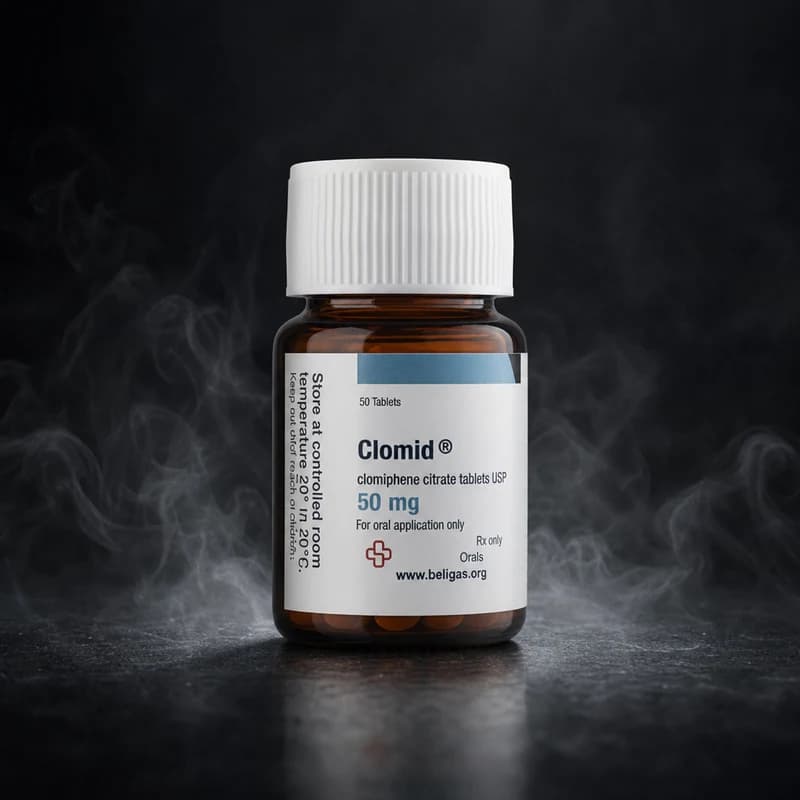
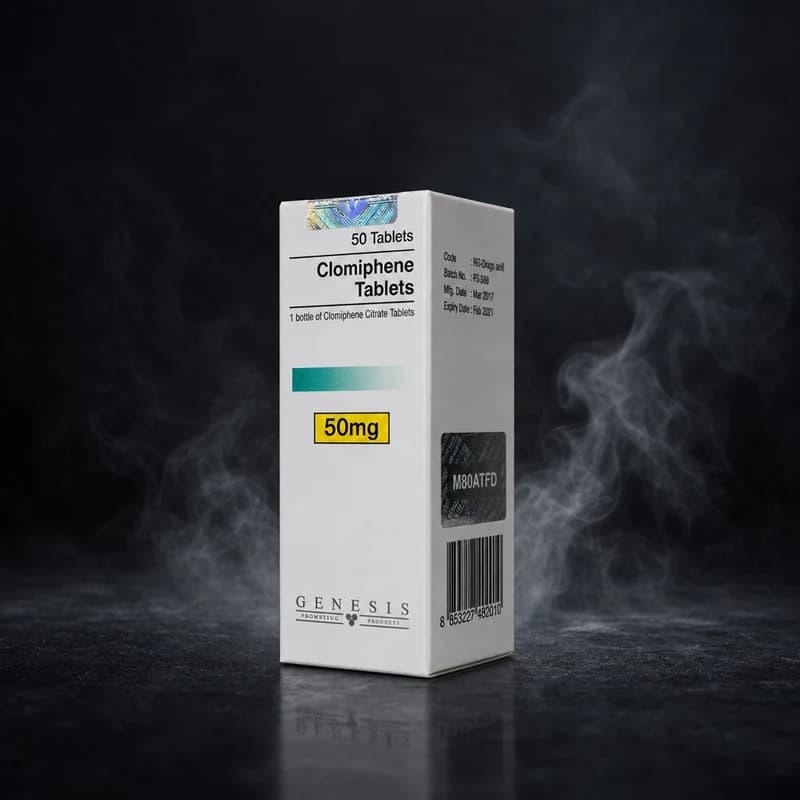
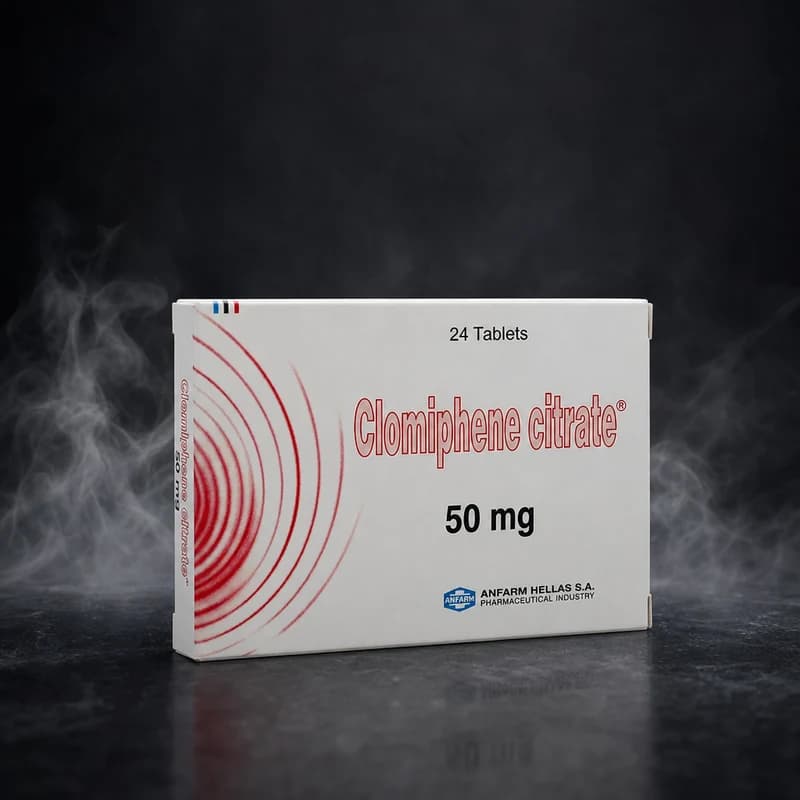
CloTrex is a Clomiphene Citrate oral tablet — 50 mg of active SERM per unit — engineered within Concentrex Labs' ancillary line to address the specific hormonal recovery needs that arise after low-suppression cycles. Unlike recovery scenarios following stacked or extended heavy protocols, a mild cycle creates a narrower hormonal deficit: endogenous LH and FSH production is attenuated rather than fully shut down, and the pituitary–hypothalamic axis retains meaningful residual responsiveness. Clomiphene Citrate acts by occupying oestrogen receptors at the hypothalamus, removing negative feedback inhibition, and allowing gonadotropin-releasing hormone pulse frequency to normalise — which in turn drives LH-mediated Leydig cell stimulation and FSH-supported spermatogenesis recovery. Compared to recovery demands after a heavy multi-compound run, mild-cycle suppression typically resolves faster, meaning a condensed four-week protocol at conservative doses is clinically appropriate rather than unnecessarily aggressive.
How the 50 mg Tablet Format Supports a Mini-PCT Structure
The 50 mg per-tablet concentration is the defining practical advantage of CloTrex for mini-PCT use. A standard mild-cycle recovery protocol begins at 50 mg daily for the first two weeks, then reduces to 25 mg daily — achievable by halving a single tablet — for the final one to two weeks. Concentrex Labs produces CloTrex tablets with consistent compression density confirmed by HPLC quantification per lot, meaning tablet-splitting yields accurately proportional doses rather than uneven fragments. One 100-tablet pack covers multiple mini-PCT cycles, making it a cost-efficient holding supply for users who run shorter, lighter protocols periodically throughout a training year.
Analytical Confirmation and Pharma-Grade Release Criteria
Every CloTrex lot is subject to finished-tablet HPLC potency testing referenced against a certified Clomiphene Citrate pharmacopoeial standard; the confirmed potency result is entered into a traceable batch record before distribution clearance is issued. LAL endotoxin testing contributes an additional safety gate, and the entire production chain operates within a GMP-certified manufacturing environment. These release criteria mean that the 50 mg stated on the label reflects a verified analytical figure, not an estimated nominal value — a distinction that matters when the protocol depends on precise, reproducible dosing across every tablet in the jar.

 Lab Tested