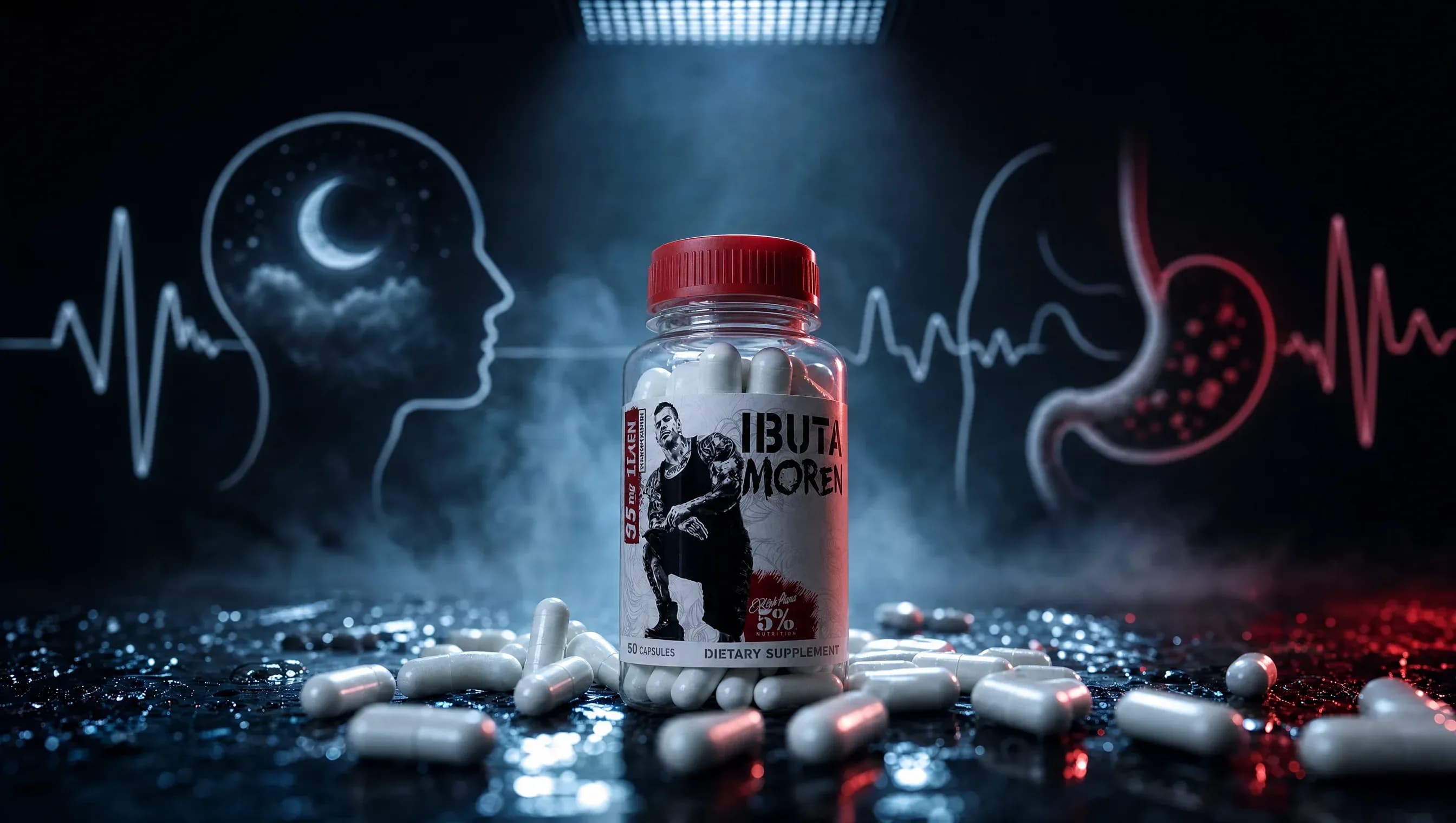
Tadalafil for Bodybuilding: The PDE5 Inhibitor That Delivers Pump and Blood Pressure Control
Tadalafil inhibits PDE5, raising cGMP and producing sustained vasodilation for training pump and nutrient delivery.
Tadalafil for Bodybuilding: The PDE5 Inhibitor That Delivers Pump and Blood Pressure Control
TL;DR- Tadalafil inhibits PDE5, raising cGMP and producing sustained vasodilation for training pump and nutrient delivery.- Half-life of ~17.5 hours supports either a 5–10 mg daily protocol or 10–20 mg pre-workout dosing.- Moderate systolic blood pressure reduction (3–8 mmHg) makes it useful during aromatising steroid cycles.- Human studies confirm improved endothelial function and insulin sensitivity beyond its licensed indications.- Combining tadalafil with nitrates — including amyl nitrite — carries an absolute contraindication risk.- No direct anabolic effect exists; tadalafil is a performance-support and cardiovascular-health tool.
Tadalafil is a selective phosphodiesterase type 5 (PDE5) inhibitor with a half-life of approximately 17.5 hours and a duration of action extending to 36 hours, originally licensed for erectile dysfunction and benign prostatic hyperplasia (BPH), and now widely used by bodybuilders for its vasodilatory, blood-pressure-modulating, and endothelial-support properties. Unlike shorter-acting PDE5 inhibitors, its pharmacokinetic profile allows daily low-dose administration or strategic pre-workout timing without the rigid scheduling constraints that come with sildenafil. This article covers the mechanism, practical dosing protocols, evidence base, interaction risks, and monitoring recommendations relevant to strength athletes as of August 2026.
How Tadalafil Works: The cGMP–Nitric Oxide Axis
The physiological chain begins with nitric oxide (NO), synthesised by endothelial nitric oxide synthase (eNOS) in response to shear stress, acetylcholine, and physical activity. NO diffuses into vascular smooth muscle and activates soluble guanylate cyclase (sGC), which converts GTP to cyclic guanosine monophosphate (cGMP). Elevated cGMP activates protein kinase G (PKG), which phosphorylates myosin light-chain kinase and opens KATP channels, causing smooth muscle relaxation and vessel dilation.
PDE5 — the enzyme responsible for degrading cGMP — is expressed in high concentrations in corpus cavernosum smooth muscle, but also in pulmonary vasculature, systemic arterioles, and skeletal-muscle vasculature. Tadalafil binds competitively to PDE5's catalytic domain, extending cGMP half-life and potentiating the vasodilatory signal already generated by exercise-induced NO release. Oral bioavailability reaches approximately 80%, with peak plasma concentration (Tmax) occurring at around 2 hours post-ingestion, unaffected by food — a meaningful practical advantage over earlier PDE5 inhibitors.
The result in a training context is amplified vasodilation in working muscle during exercise: broader arteriole diameter, greater blood volume entering the capillary bed, and a more pronounced mechanical pump.
Three Evidence-Backed Reasons Bodybuilders Use Tadalafil
Enhanced training pump and vascularity. Improved skeletal-muscle perfusion driven by sustained cGMP elevation increases intra-muscular blood volume during resistance training. This is not merely cosmetic — greater muscle volumisation during training correlates with mechanosensory signalling through the mTORC1 pathway.
Nutrient delivery and recovery. Superior capillary perfusion facilitates glucose and amino acid delivery to working muscle and accelerates metabolic waste clearance (lactate, hydrogen ions). Smaller human studies using brachial artery flow-mediated dilation (FMD) as a surrogate measure consistently show PDE5 inhibitors improving endothelial responsiveness, which underlies this delivery advantage.
Blood pressure management on cycle. Aromatising androgens such as testosterone and nandrolone promote sodium and water retention via aldosterone-mediated and non-genomic mechanisms, raising systolic blood pressure by clinically meaningful margins. Tadalafil produces a mean reduction of 3–8 mmHg systolic in normotensive individuals — a modest but genuine offset that complements (not replaces) proper cycle blood-pressure management including dietary sodium control and, where required, ACE inhibitors or ARBs.
Dosing Protocols: Daily vs. Pre-Workout
Two distinct approaches dominate real-world use, each with a different pharmacological rationale.
Protocol | Dose | Timing | Primary Goal | Side-Effect Profile |
|---|---|---|---|---|
Daily (low-dose) | 5 mg | Any consistent time | Endothelial health, BP control, BPH protection | Minimal — mild nasal congestion in ~5% |
Daily (moderate) | 10 mg | Any consistent time | Stronger continuous pump and BP effect | Mild headache, flushing |
Pre-workout | 10 mg | 60–90 min before session | Acute pump on training day | Mild; effect persists 24–36 h |
Pre-workout | 20 mg | 60–90 min before session | Maximum vasodilation and pump | Moderate — headache, dyspepsia more frequent |
Starting recommendation: Newcomers should trial 5 mg on a non-training rest day to assess individual response before any pre-workout use. The most common first-exposure side effects — tension headache (mediated by intracranial vessel dilation), nasal congestion, and mild dyspepsia — are dose-dependent and typically attenuate within 2–3 weeks of consistent use at 5 mg daily.
The "weekend warrior" approach — 10–20 mg on Friday evening to carry vasodilation through Saturday and Sunday training sessions — exploits tadalafil's 36-hour window without daily pill burden and is pharmacologically sound given its sustained plasma levels.
What the Human Evidence Actually Shows
The evidence base extends meaningfully beyond erectile function, though bodybuilding-specific trials remain absent. Key findings:
Endothelial function: Multiple randomised controlled trials in populations with cardiovascular risk factors demonstrate that tadalafil 5–10 mg daily significantly improves brachial artery FMD — a validated marker of NO bioavailability and endothelial health. A 2020 meta-analysis of PDE5 inhibitor trials (12 studies, n = 608) found a pooled FMD improvement of +2.1 percentage points versus placebo.
Insulin sensitivity: Smaller mechanistic studies suggest PDE5 inhibition increases skeletal muscle glucose uptake via cGMP-dependent GLUT4 translocation, independently of insulin signalling — potentially relevant for anabolism and body composition, though this remains preliminary and effect sizes are modest.
Pulmonary pressure: Tadalafil (Adcirca) holds a specific licence for pulmonary arterial hypertension — a condition of concern for long-term high-dose androgen users given androgen-induced vascular remodelling. This is not a reason to self-prescribe, but it contextualises the cardioprotective rationale some physicians consider.
There is no credible evidence that tadalafil directly increases muscle protein synthesis or lean mass. Its role is vascular and endothelial — classifying it firmly as a performance-support compound, not an anabolic agent.
Interaction Risks and Contraindications
The risk landscape is well-characterised and largely manageable with straightforward awareness.
Nitrates — absolute contraindication. Co-administration of tadalafil with any nitrate-containing compound (nitroglycerin, isosorbide dinitrate, amyl nitrite/poppers) produces synergistic and potentially catastrophic hypotension. Both agents elevate cGMP by different mechanisms; the combined effect can drop systolic pressure to levels causing syncope, ischaemia, and cardiac events. There is no safe minimum interval — this combination must be avoided entirely.
Other antihypertensives. Concurrent use with alpha-blockers, ACE inhibitors, or ARBs produces additive blood pressure reduction. This is not an absolute contraindication but requires monitored titration. Blood pressure should be measured before starting tadalafil and after the first week of combination use. A systolic below 90 mmHg warrants dose reduction or discontinuation.
Stimulant pre-workouts. L-citrulline (which donates arginine for eNOS-mediated NO synthesis) acts synergistically with tadalafil through upstream NO amplification — this combination is both safe and beneficial. High-dose stimulants introducing significant sympathomimetic cardiovascular stress (tachycardia, acute BP spikes) represent a more complex interaction requiring caution.
Low baseline blood pressure. Individuals with resting systolic below 100 mmHg should approach tadalafil cautiously, beginning at 2.5–5 mg and monitoring response before increasing.
Monitoring Markers for Safe Long-Term Use
Tadalafil at 5 mg daily has an established long-term safety profile from BPH and ED indication data spanning over a decade. Practical monitoring for athletes:
- Resting blood pressure: Weekly readings during the first month; monthly thereafter. Document in a log alongside cycle compounds.
- Resting heart rate: PDE5 inhibitors can cause mild reflex tachycardia at higher doses via baroreceptor response to peripheral vasodilation.
- Liver enzymes: Not a primary concern with tadalafil itself, but relevant if co-administering oral 17-alpha-alkylated androgens that compete for hepatic CYP3A4 metabolism — tadalafil is a CYP3A4 substrate, and ketoconazole or ritonavir co-administration meaningfully raises tadalafil plasma levels.
- Ophthalmological symptoms: Rare cases of non-arteritic anterior ischaemic optic neuropathy (NAION) have been reported with PDE5 inhibitors; any sudden visual change warrants immediate cessation and medical review.
FAQ
Does tadalafil or sildenafil work better for training pump?
Tadalafil is the preferred choice for most bodybuilding applications due to its 36-hour action window, which enables both daily low-dose endothelial support and flexible pre-workout timing without precise scheduling. Sildenafil's 4–6 hour half-life suits acute single-session use but lacks tadalafil's sustained systemic endothelial and blood-pressure benefits. For athletes training multiple days consecutively, tadalafil's pharmacokinetic profile offers a clear practical advantage.
Can tadalafil help with "deca dick" during a nandrolone cycle?
Tadalafil addresses the vascular and mechanical component of cycle-induced erectile dysfunction by maintaining cGMP-driven vasodilation. It does not correct the underlying hormonal causes — suppressed DHT from nandrolone's 5-alpha-reduction to dihydronandrolone, or elevated prolactin. It functions as a bridge while hormonal imbalances are resolved via bloodwork-guided intervention, not as a root-cause treatment.
Is daily 5 mg tadalafil safe to take long-term?
The 5 mg daily dose is an approved long-term regimen for BPH and chronic ED, with clinical trial data showing a favourable safety profile over 26-week controlled periods and real-world post-marketing use extending years. The principal monitoring requirement is blood pressure awareness, particularly when combining with other vasodilatory or antihypertensive compounds.
Does tadalafil interact with testosterone or other anabolic steroids?
Tadalafil does not directly interact with androgen receptor binding, aromatisation, or AAS metabolic pathways. The relevant pharmacokinetic caution involves CYP3A4 — tadalafil's primary hepatic metabolism pathway — which can be inhibited by some compounds used in cycle support, potentially elevating tadalafil plasma concentrations. Monitor blood pressure and titrate dose accordingly during polypharmacy use.
Will tadalafil lower my blood pressure too much on a bulk cycle?
At standard doses in normotensive individuals, the mean systolic reduction of 3–8 mmHg is moderate and clinically manageable. During aromatising cycles where blood pressure is elevated above baseline, this reduction is often beneficial. The risk of excessive hypotension emerges specifically when baseline blood pressure is already low, when nitrates are co-administered, or when multiple antihypertensives are stacked simultaneously.
Conclusion
Tadalafil earns its place in the bodybuilding toolkit through mechanism, not marketing: PDE5 inhibition extending cGMP half-life translates directly into enhanced vasodilation, more pronounced training pump, measurable endothelial function improvements, and a modest blood pressure benefit that is genuinely useful during aromatising steroid cycles. At 5–10 mg daily or 10 mg pre-workout, its side-effect burden is low and its safety profile over extended use is among the best-documented in this category of compounds. The singular non-negotiable rule is strict avoidance of nitrates in any form. For athletes seeking vascular and cardiovascular support with a meaningful evidence base behind it, tadalafil is one of the most rationally justified additions to a cycle support stack.
This article is intended for harm reduction and educational purposes only. It does not constitute medical advice. Tadalafil is a prescription-only medicine in the UK and most jurisdictions. Consult a qualified healthcare professional before use.